Foundation for the Preservation of Yungdrung Bön / གཡུང་དྲུང་བོན་ཉར་ཚགས་རིག་མཛོད།

Category: FPYB Short Teachings

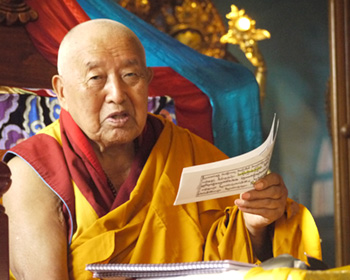
Anniversary of Nyamme Sherab Gyaltsen (1356-1415) – རྗེ་རིན་པོ་ཆེའི་དུས་ཆེན།

རྗེ་མཉམ་མེད་ཆེན་པོའི་གསོལ་འདེབ། Prayer to Nyamme Sherab Gyaltsen བདེ་ཆེན་རྒྱལ་པོ་ཀུན་བཟང་རྒྱལ་བ་འདུས། DEC-HEN GYAL-PO KUN-ZANG GYAL-WA DÜKing of Great Bliss, who embodies the Knowledge of all the Buddhas, མི་བརྗེད་བཟུངས་ལྡན་ཤེས་རབ་སྨྲ་བའི་སེང་། MI-JE ZUNG-DEN SHE-RAB MA-WAI SENGLion of Speech, Mawai Senge with infallible memory, འཛམ་གླིང་བོན་གྱི་གཙུག་རྒྱན་མཉམ་མེད་པ། DZAM-LING BÖN GYI TSUG-GYEN NYAM-ME-PAOrnament of Bön unequalled in the world, ཤེས་རབ་རྒྱལ་མཚན་ཞབས་ལ་གསོལ་བ་འདེབས། SHE-RAB GYAL-TSEN ZHAB LA SOL-WA-DEBO Great Sherab Gyaltsen, to you I pray! Taken from དབང་གི་དམ་ཚིག་བསྐང་བའི་ཞལ་འདོན་ཕྱོགས་བསྡུས། Translation: FPYB On the fifth day of the first lunar month according to the Tibetan calendar Bönpos celebrate the anniversary of Nyamme Sherab Gyaltsen (Tib. Mnyam-med Shes-rab rgyal-mtshan), a reincarnation of an early Bönpo mahasiddha (Tib.…
Read more
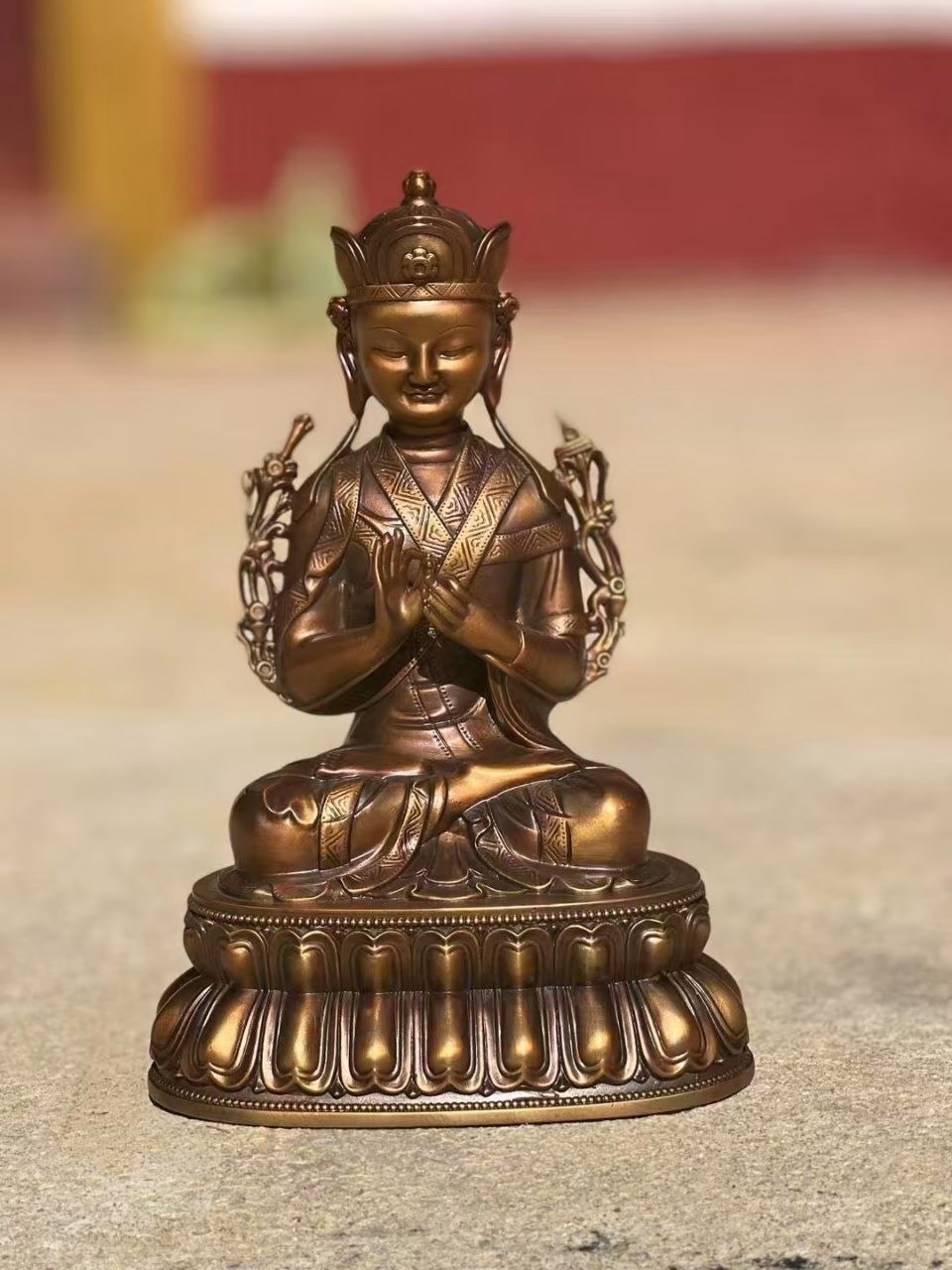
Shenhla Wökar and the Six Devourers

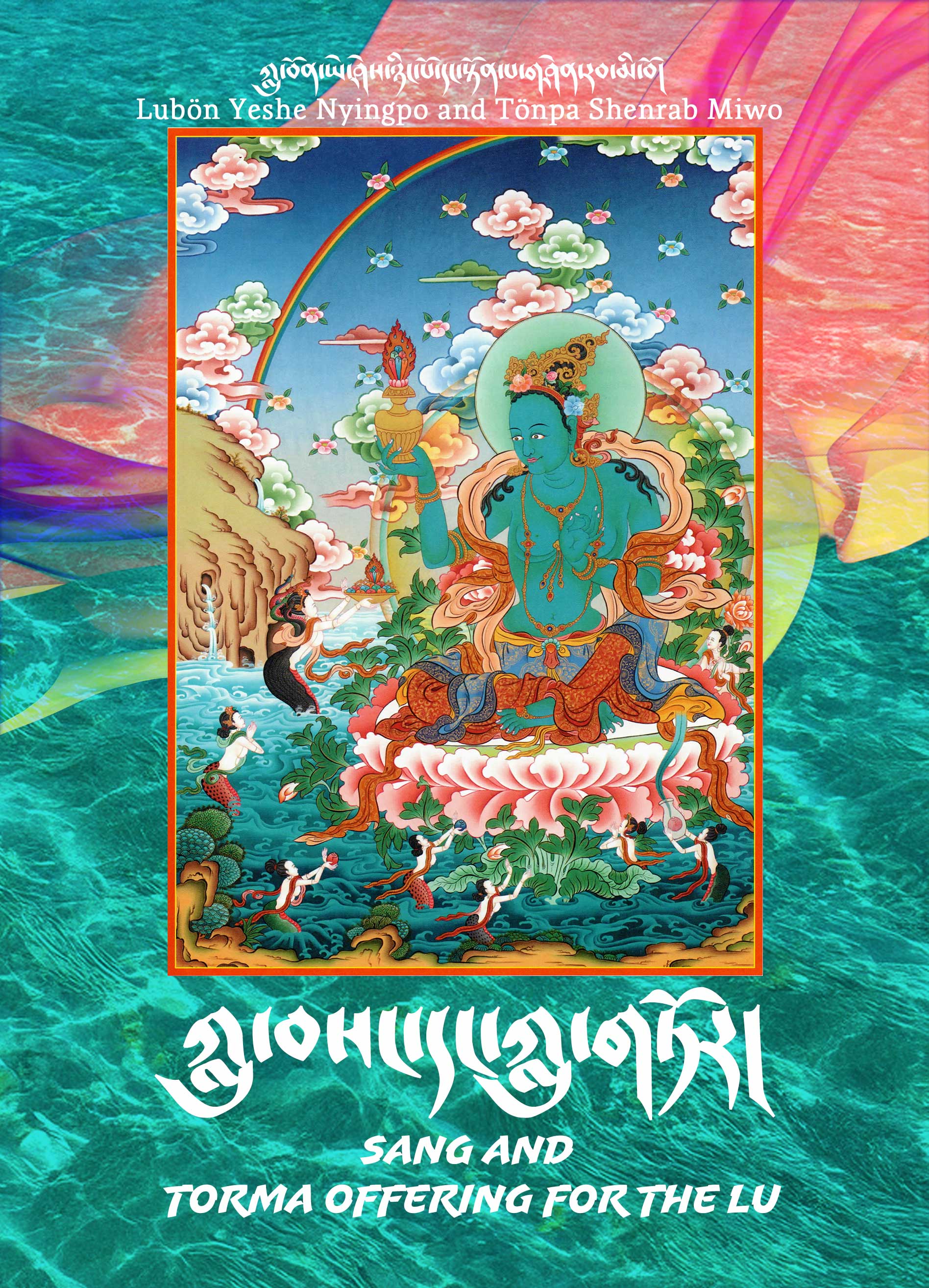
This explanation is based on teachings given by Drubdra Khenpo Tsultrim Tenzin during a retreat on Athri held in Calabria, Italy, September 2025. Transcribed and edited by Carol Ermakova & Dmitry Ermakov. Nine Manners of Purity Shenhla Wökar[1] (see cover image above) is a peaceful manifestation, and like other emanations such as Jamma,[2] the features of his body, decorations and so on all hold special meaning. He displays the Nine Manners of Purity[3] and is adorned with the Thirteen Adornments of a peaceful sambhogakaya.[4] His body is: 1. youthful 2. bright 3. luminous 4. with a clear lustre. His manner…
Read more

About the Origins of Lusang

In ancient times there was a man in our Yungdrung Bön tradition called Lubön Yeshe Nyingpo.[1] He is neither sambhogakaya nor nirmanakaya,[2] but a great practitioner. Like you. He was a teacher of the nagas[3] and could teach them Dzogchen.[4] In our tradition, there are three versions of the Dzogchen Teachings: short, medium and extensive. Three special masters appeared after Buddha Tönpa Shenrab:[5] Yongsu Dagpa[6] who was a teacher of gods, Milyu Samleg[7] who was a teacher of humans, and Yeshe Nyingpo who was a teacher of nagas. This person here, depicted on the cover of the practice book, is…
Read more

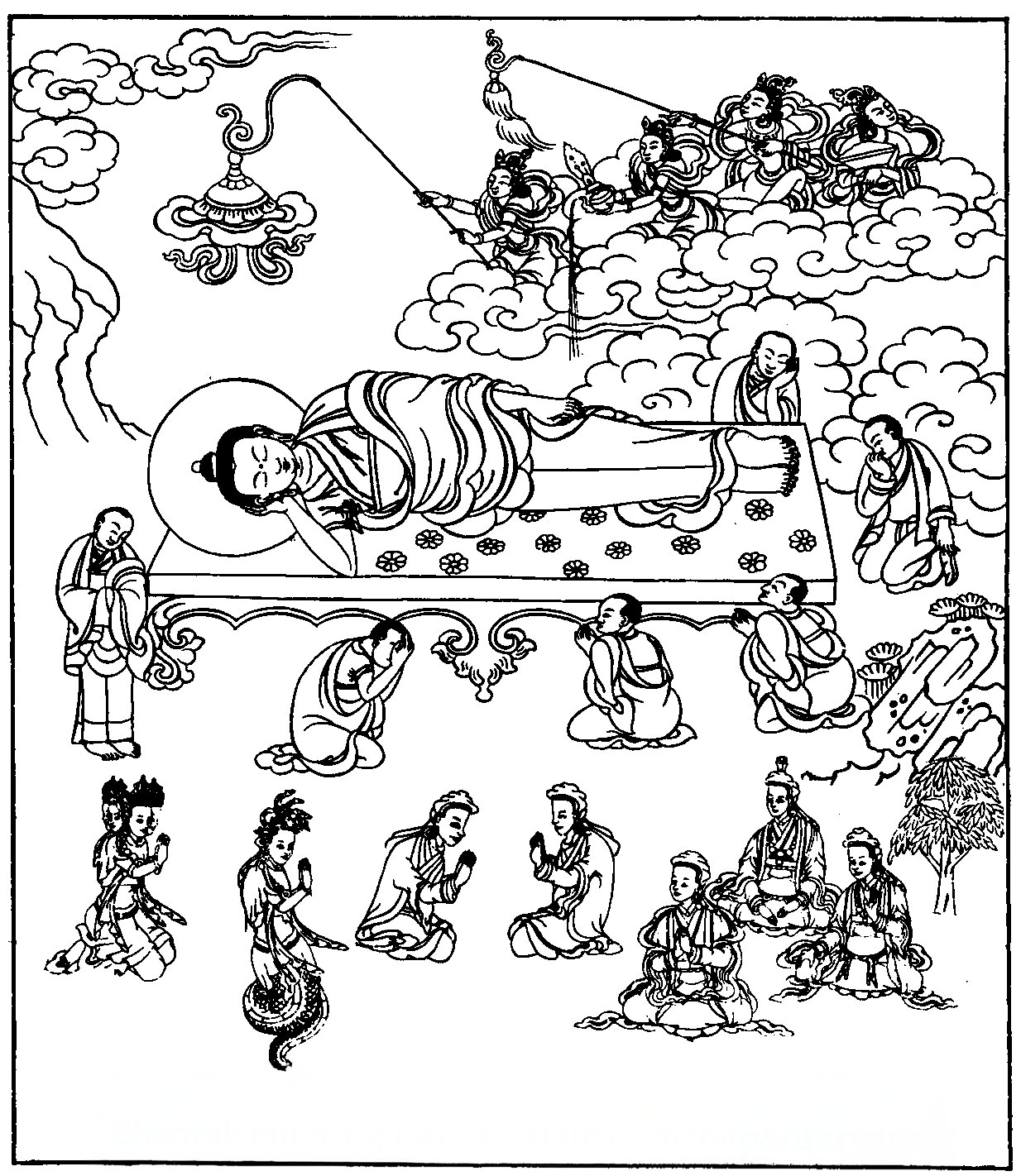
9,842 Anniversary of Buddha Tönpa Shenrab Miwoche’s Parinirvana

Today, on the 30th day of the 9th month according to the Horda (Tib. hor-zla) calendar, we are celebrating the Anniversary of Buddha Tönpa Shenrab Miwoche (Tib. Rgyal-ba Ston-pa Gshen-rab Mi-bo-che) completing the Twelfth Deed, The Deed of Realisation (Tib. rnam-par grub-pa’i mdzad-pa), when he achieved nyangen ledepa (Tib. mya-ngan las’das-pa) or parinirvana in 7817 BC, 9,842 years ago. Through his life and teachings, the Buddha of Yungdrung Bön Tönpa Shenrab showed us the way from suffering to contentment, from strife to peace, and from anguish to ultimate Buddhahood. E Ma HO! PRAYER TO TÖNPA SHENRAB MIWOCHE ཨེ་མ་ཧོ། E-MA-HO! Wonderful!…
Read more

Как йогин дзогчена может сбиться с пути

Многие люди думают, что практиковать дзогчен просто, что это путь не-медитации, где ничего не надо делать и можно вести себя как угодно. Это краткое учение Йонгдзина Лопöна Тэндзина Намдака Ринпоче, данное в 1999 году, объясняет, как практикующему дзогчен следует себя вести и как распознать, когда йогин сбился с пути.

This page is under copyright so you cannot copy content